
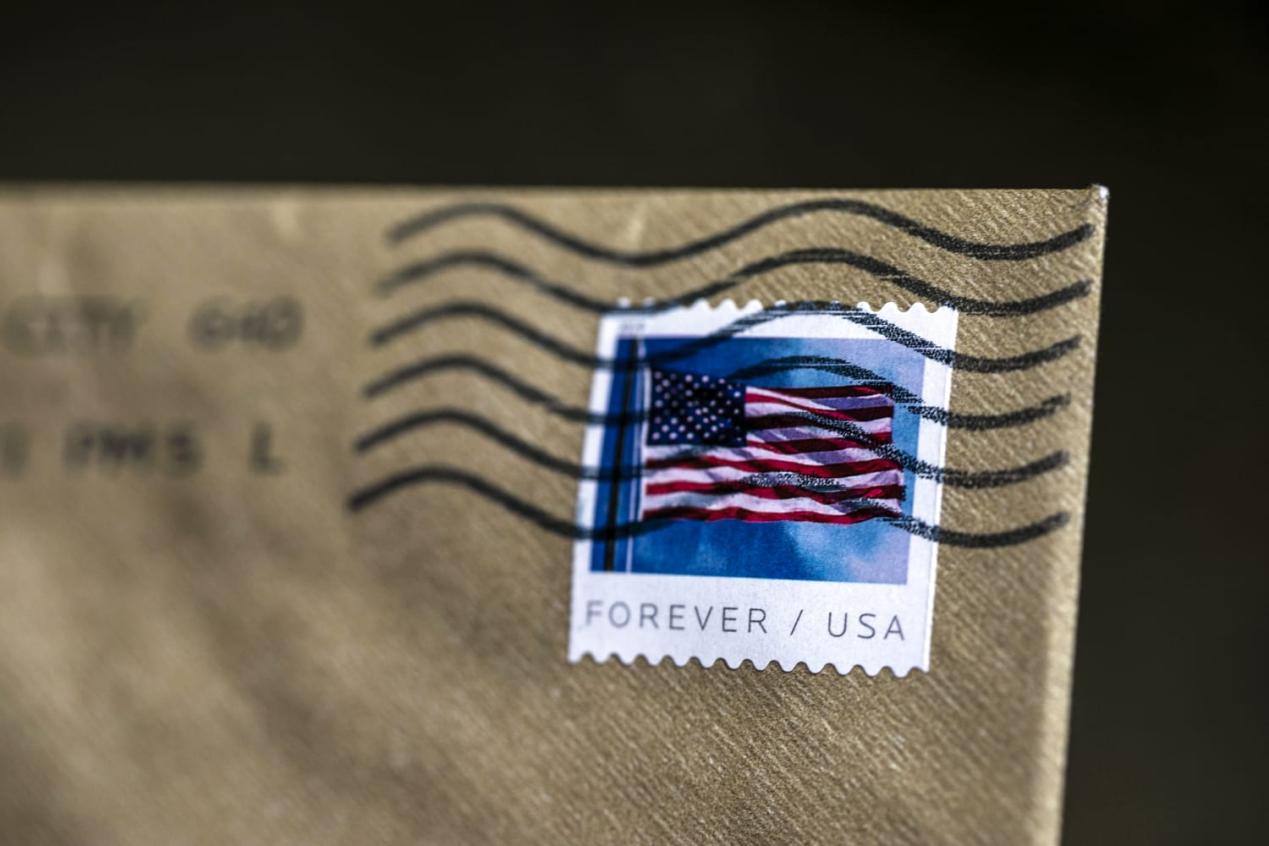
Did you receive a letter with counterfeit discount stamps? Don’t panic, we’ll tell you the consequences and remedies!

Hi everyone, have you ever been tempted by those seemingly “good deals” on discount stamps, thinking it would be great to save on postage? But what if those stamps are fake? Today, let’s talk about this headache-inducing question: what happens if you accidentally send a letter with counterfeit discount stamps? Don’t worry, I’ll explain the whole story, the potential consequences, and most importantly—how to avoid and remedy this.
Don’t be fooled by “super low prices”! First, understand the difference between “Discount Stamps” and “counterfeit stamps”.
Before delving into the consequences, we must first clarify two concepts, which are crucial for understanding the whole issue.
What are “Discount Stamps”? — The secret to legally saving money
“Discount stamps” aren’t some kind of mystery. They’re real, valid United States Postal Service (USPS) stamps, just priced below face value. Sounds a bit like discounted merchandise, right?
Where do they usually come from? For example, some large companies buy them in bulk and then resell them due to business changes; or some early stamps in the hands of collectors, which, although low in face value, can still be used as postage. These are all legitimate discount stamps.
The key point is: they are genuine stamps, possessing the same postage validity as full-price stamps. You can use them with confidence and legally save money.
What are “counterfeit stamps”? — Wolves in sheep’s clothing
As the name suggests, “counterfeit stamps” are illegally copied and forged stamps. They may look exactly like genuine stamps, but they have no postage validity whatsoever. Simply put, they are just a piece of waste paper, yet they try to pass off as real money.
These counterfeit stamps are made to deceive you into thinking they are cheap discount stamps, thereby profiting from the situation. They are the “black sheep” of the mail system.
Why do people sell counterfeit stamps? — The trap of greed and deception
The reason is simple: exorbitant profits. The cost of producing counterfeit stamps is extremely low, while the profit margin is incredibly high once successfully sold. This drives some criminals to take risks, exploiting people’s desire for value for money to reap huge profits. They typically impersonate sellers offering “great value” discount stamps to lure consumers into their traps.
What happens to your mail? A deep dive into the “journey” of counterfeit Discount Stamps.
If you inadvertently use counterfeit discount stamps, your letter will embark on a perilous journey, often with an unsatisfactory ending.
Phase One: Mail Processing Center Detection and Interception – Your letters are “sentenced to death” before they even leave the mailroom.
Don’t assume that your mail is all set once it’s delivered. Before entering the delivery process, it first goes through the “eagle eyes” of the postal sorting system.
How are they detected? Modern mail processing centers are equipped with advanced automated identification technology. They can identify anti-counterfeiting features on stamps, such as barcodes, fluorescent inks, and special printing processes. If an anomaly is detected, or if the stamp does not match the information in the database of genuine stamps, the system will issue an alert. In addition, postal workers also conduct random manual inspections, specifically looking for suspicious discount stamps.
Possible outcomes:
- Return to sender: Your letter will be stamped with a large red seal that clearly states: “COUNTERFEIT POSTAGE“. Then, it will be returned to you.
[Image: A photo of a returned letter stamped with a red “Counterfeit Postage” seal; Alt Text: A letter returned with counterfeit postage] Imagine receiving a letter like this—wouldn’t you feel a bit upset? Not to mention important documents.
- Directly destroyed or sent to the Dead Letter Office: If a letter does not have a return address, or if the postal service decides not to return it, it may be destroyed. Alternatively, it might be sent to the Dead Letter Office. This is where the postal system handles mail that cannot be delivered or returned. Once it enters this office, the contents of your letter are likely lost forever, never to be found again.
Phase Two: Recipient’s Embarrassment and Damaged Reputation – “Major Embarrassment” Don’t Just Exist Online
If your letter manages to pass the initial inspection but is later found to have used counterfeit stamps during delivery, you’re in big trouble.
- The recipient may need to pay the postage due to receive the mail. Imagine your clients, partners, or even relatives and friends receiving a letter that they have to pay for themselves, possibly with a note saying “postage insufficient”—how would they feel? This is undoubtedly a very unprofessional practice.
- Whether it’s business correspondence (such as invoices, contracts, and marketing materials) or personal exchanges (such as important holiday cards and invitations), counterfeit stamps can seriously damage your personal or business reputation. This isn’t just about a few dollars in postage; it’s a crisis of trust. It’s difficult for anyone to believe in the integrity of someone who uses counterfeit stamps.
Phase Three: The Consequences You Might Face—Being Targeted Could Be Troublesome!
This sounds a bit scary, but it’s a real risk.
- Address flagged: If you frequently use counterfeit stamps, your address may be placed on the watch list by the US Postal Inspection Service. This means your future mail may receive “special attention,” and every time you send a letter, it will feel like you’re being censored.
- Additional review of subsequent mail: Once flagged, every letter you send may be subject to stricter scrutiny, significantly extending delivery times and potentially leading to more mail being blocked. Your ability to mail reliably will become extremely vulnerable.
- Legal Risks: While occasional misuse of one or two counterfeit stamps usually doesn’t incur severe penalties, the consequences are entirely different if it involves large-scale use or intentional purchase and use. In the United States, using counterfeit stamps is a federal crime, potentially leading to hefty fines or even criminal charges. Those who sell counterfeit stamps face severe legal sanctions, as their actions seriously disrupt postal order.
How to avoid buying counterfeit discount stamps? — Keep your eyes open and protect yourself.
Given such high risks, how can we avoid buying counterfeit discount stamps?
Purchase only through official channels or authorized dealers.
The safest way is, of course, to purchase directly from the United States Postal Service (USPS) website or official retail stores. If you want to buy discount stamps, be sure to choose reputable, authorized stamp dealers. They will provide a guarantee of authenticity.
Beware of prices that seem “too cheap”—there’s no such thing as a free lunch.
This is the most intuitive criterion. If a website or seller offers discount stamps at a price far below face value (e.g., 50% below face value), it’s almost certain they are counterfeit.
Remember this: “Too good to be true” is usually not true. Genuine discount stamps are typically priced only slightly below face value because they are authentic stamps.
Checking stamp quality and details – the difference between genuine and counterfeit can be as small as millimeters.
Take some time to carefully inspect the stamps before purchasing or after receiving them.
- Printing clarity: Genuine stamps are beautifully printed with clear images and saturated colors. Counterfeit stamps are often blurry, have color deviations, rough details, and may even show signs of pixelation.
- Paper and adhesive: Genuine stamps use high-quality paper that feels comfortable to the touch, and the adhesive is even and usually self-adhesive. Counterfeit stamps may have thin, brittle paper, weak adhesive, or an unpleasant odor.
- Security Features: Many genuine stamps have special security features, such as fluorescent fibers, watermarks, and microtext. These are difficult for counterfeiters to imitate. Careful observation with a magnifying glass may reveal the differences.
Choose a trustworthy platform: We recommend selldiscountstamps.com
If you’re looking for genuine discount stamps and want to save money, selldiscountstamps.com is a trustworthy choice.
We guarantee that all our stamps are genuine United States Postal Service (USPS) stamps and have undergone a rigorous testing process to ensure that every stamp has full postage validity. We offer not only competitive prices, but more importantly, peace of mind and protection. Our goal is to let you enjoy great deals while staying away from the risk of counterfeit stamps.
What should you do if you accidentally use a counterfeit stamp? — It’s never too late to mend your ways.
If you have accidentally used a fake discount stamp, don’t panic. Here are some remedies:
Immediately cease the use of all suspicious stamps.
This is the first and most important step: cutting off the source of counterfeit stamps to prevent greater losses and trouble.
Check your other sources for Discount Stamps to verify their authenticity.
Where did you buy it? What is the seller’s reputation? Check against the identification methods mentioned above. If you find that other stamps are also fake, contact the seller as soon as possible to request a refund and report it to the platform.
If the situation is serious or there are any doubts, you can contact the postal service for advice (but it is generally not recommended to voluntarily “confess”).
For an individual to accidentally use one or two stamps, there are usually no serious consequences. The postal service’s main goal is to combat the source of counterfeit stamps. If you’ve only accidentally used one or two, returning or destroying them is usually the worst outcome. However, if you suspect you’ve used a large number of stamps, or if the source is highly suspicious, you can consult legal professionals or official channels of the US Postal Inspection Service. However, it’s generally not recommended to proactively “confess” to avoid unnecessary trouble. The most crucial thing is to stop using them and replace them with genuine ones.
In summary: Protect your reputation by choosing genuine Discount Stamps!
Friends, through today’s sharing, I believe you now understand the potential risks of using counterfeit discount stamps. It may not only prevent your mail from being delivered, but more importantly, it can damage your personal reputation and image.
Stamps may be small, but they carry the weight of your trust and communication. Don’t let momentary greed or carelessness ruin the “lifeline” of your mail.
Choose genuine discount stamps at selldiscountstamps.com to ensure every letter you send is delivered neatly, on time, and securely. We’re here to help you save money and protect your peace of mind!