

Introduction to commemorative stamp collecting: From the first commemorative stamp to asset allocation

Many people first realize the value of stamps can appreciate when they hear about a longtime philatelist who sold a limited-edition USPS stamp set for several times the price. While this may sound like a joke at first, a quick market search reveals a surprising discovery: on eBay, Heritage, or major auctions, commemorative stamps originally priced at just a few dollars have seen their value increase by over a hundred times.
This is why, among many collecting categories, commemorative stamps have long been ranked among the top three for their low barrier to entry, high cultural value, and continued appreciation potential. Unlike art, which requires huge initial capital, nor does it experience the volatile stock market, commemorative stamps offer a more sustainable, slow-burning investment.
If you’re thinking about starting your first commemorative stamp collection, here’s your complete guide.
1. What is a commemorative stamp? — Before judging its value, first understand the true difference between it and ordinary stamps.
Commemorative stamps are limited edition stamps issued by the postal service to commemorate specific events, individuals, or anniversaries, such as the opening of the Olympic Games, a presidential inauguration, or a celebrity’s birthday. Compared to definitive stamps, they have three main characteristics:
| Key attributes | Features of commemorative stamps | Investment significance |
| Short release cycle | Usually issued only once, no reissue will be made after expiration | Supply is inherently limited |
| Strong artistic design | Often designed by well-known designers | Easy to form independent collection groups |
| Clear cultural label | A clear theme (space, political figures, historical events) | The more it resonates, the stronger its market liquidity |
You can think of ordinary stamps as “currency”, while commemorative stamps are more like “limited edition commemorative coins” – of course you can use them to mail letters, but more people choose to put them in collections and wait for their value to slowly but steadily increase.
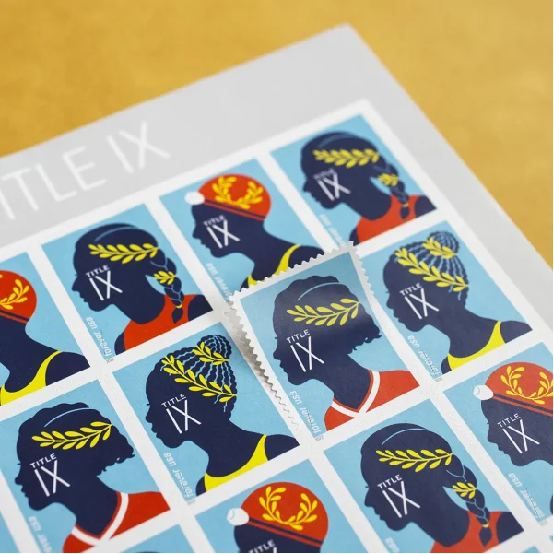
II. The logic of commemorative stamp value judgment: Four main variables determine the long-term trend
If you want to truly treat stamps as investment assets, rather than just “buying what you like”, you must establish a basic evaluation framework.
| Judgment Dimension | illustrate | priority |
| Circulation/Quantity in existence | The fewer the limited edition, the more likely it is to be scarce | ⭐⭐⭐⭐ |
| Topic popularity | Political figures and major events are usually more popular than less popular topics. | ⭐⭐⭐ |
| Condition | No creases, complete tooth holes, original glue retained | ⭐⭐⭐⭐ |
| Historical significance/emotional value | Can it resonate with the public? | ⭐⭐ |
If you want to buy a piece for long-term holding or even resale, these four factors must be prioritized. Especially the condition; don’t underestimate how a single crease can slash the price by half.
3. Collecting Tools & Getting Started Equipment: Don’t Touch Stamps Without These
The first thing many novices do when they get a stamp is to “pick it up with their bare hands to appreciate it”, which is basically equivalent to leaving permanent fingerprints on the stamp.
| tool | use | suggestion |
| Stamp Tongs | Prevent sweat stains from contaminating the paper surface | Must purchase |
| magnifier | Check for perforations and printing defects | It is recommended to collect more than 5 times |
| Acid-free stamp album/loose-leaf album | Storage classification | Sort by theme or year of publication |
| Transparent Sleeve | High-value stamps are individually protected | Can be purchased in bulk with discount stamps |
Special reminder: Never use ordinary plastic protective bags, as some materials will slowly corrode the stamps after a few years.
4. How to choose your first collection route? — Both interest and rewards can be achieved
There are three common strategies for beginners:
| Collection Directions | Suitable for people | advantage |
| Theme collections (such as space, animals, historical figures) | Like unified visual style | Systematic and highly demonstrative |
| Regional collection (e.g., specializing in USPS stamps) | Interested in U.S. postal culture | Information is easy to check and has high circulation |
| Timeline collection (such as annual commemorative ticket packages) | Like the sense of ceremony | Easy to stick to, incremental model |
Being driven by interest and investing in the market don’t conflict. You can adopt a “main theme + opportunistic” strategy: for example, if you primarily buy American aerospace-themed items, you can add to your holdings when you encounter a clearance sale of discount stamps at a very low price .
5. Frequently Asked Questions (FAQ)
| question | Suggested Answer |
| Do you want to collect brand new ones or ones with postmarks? | Investment type recommendation: new (Mint), historical type can be collected with stamp (Used) |
| Should I buy a single copy or a whole set? | New traders can first “buy a few to practice” and then complete the series after becoming familiar with the market. |
| Where is it safer to buy? | Official postal platform, new issue pre-sale, high-reputation auction site |
Conclusion: Don’t wait until “a certain limit-up news” comes out before you regret it
Collecting commemorative stamps isn’t a get-rich-quick scheme; it’s more like a “culture-infused fixed investment.” You won’t be watching the market every day, but you know it’s slowly getting better.
If you’re ready to get started, here are three things you can do now:
Buy a pair of stamp tweezers.
Pick a theme you feel strongly about (even just your favorite animals).
Find a set of USPS commemorative stamps for $10-20 to practice with ( discount stamp sets are also fine ).
The moment you actually put your first stamp into an acid-free stamp album, you will understand that this is a hobby that is both nostalgic and practical.