
Why some “ugly” stamps are valuable (and how to spot them early)

Stamp collecting, a seemingly niche hobby, has great charm and unknown value. Surprisingly, not all precious stamps have exquisite designs or bright colors. In fact, some stamps that are even “ugly” to ordinary people may be worth a lot of money in the collection world. Why is this? And how can we discover these potential treasures as early as possible?
The Source of the Value of Ugly Stamps: Rarity, Errors and History
closely related to its rarity , printing errors and historical significance , and has little to do with its appearance.
1. Rarity: Scarcity makes things valuable
When there are very few stamps left in existence, it naturally becomes valuable. For example:
Very low mintage : Some stamps were printed in very small quantities.
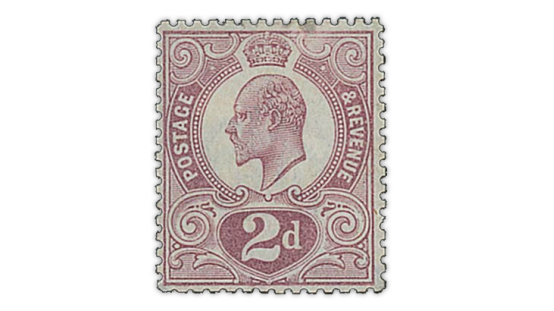
Historical destruction : After the death of the British king in 1910, most of the Tyrian Plum stamps were destroyed, resulting in only two pieces left. Even though the design is ordinary, they have become priceless treasures.
Not widely used : The first edition of Twopenny Blue stamps is highly sought after due to its low usage rate and few surviving issues.
2. Printing Errors: Imperfections are Wealth
In the eyes of ordinary people, this may be a “problematic item”, but in the eyes of collectors, it is a unique treasure.
Inverted pattern : The 1918 American Inverted Jenny was sold at a high price of 184,000 pounds in 2009 because of its inverted airplane pattern.
Color error : a “missing gold” version from the 1967 British Discoveries series, only one of which was produced and sold for £23,600 in 2014.
Misprinted denominations, paper anomalies : These low-probability errors are extremely rare in a strict printing system and are therefore particularly valuable.

3. Historical significance: traces of time
Some stamps record important events, celebrities or historical backgrounds. Although they may not look stunning, they are more important because they bear witness to a certain period of history. For example, stamps from certain wars or the first stamp issued in the early colonial period.
4. Preservation status: flawless “ugly” is more precious
Even simple designs often increase in value if they are in perfect condition (bright color, intact perforations, no stains or creases), while even rare error stamps will lose value if they are in poor condition.
How to discover these potential “treasure” stamps early
Becoming a collector who can identify treasures requires strategy, knowledge and inspiration.
1. Pay attention to new stamp issues
Subscribe to official release notices from various postal services such as USPS.
Look out for limited edition commemorative stamps, special materials or unusual shapes.
Track early release error reports such as color anomalies or print offsets.
2. Deeply participate in the collection community
r/philately on Reddit and the Stamp Community Forum to get experiences and news.
Participate in offline exchange meetings, communicate face to face with senior players, and learn “industry secrets”.
3. Learn professional evaluation knowledge
Consult authoritative catalogs such as the Scott Catalog .
It is more secure to consult a professional authentication agency, especially when facing suspected erroneous stamps, for authentication.
Learn to judge rarity, state of preservation and cultural context, the three core elements in assessing the value of stamps.
4. Check our latest news and stamp prices
Conclusion: What looks ugly at first glance may actually be a treasure for the future
The value of “ugly” stamps is not reflected on the surface, but hidden in the stories, flaws and scarcity behind them. For real discerning collectors, these overlooked little corners may be the most worthy of attention. Philately is never a superficial “beautiful competition”, but a deep understanding of history, dislocation and contingency.
Of course, when talking about collecting, it is inevitable that people would ask a realistic question:
Can I really get a discount when buying stamps now?
Especially for common types such as forever stamps and USPS stamps , sometimes we encounter promotions such as “discount stamps” and “bulk sales” on the Internet or offline. Are there real opportunities behind them, or possible traps?