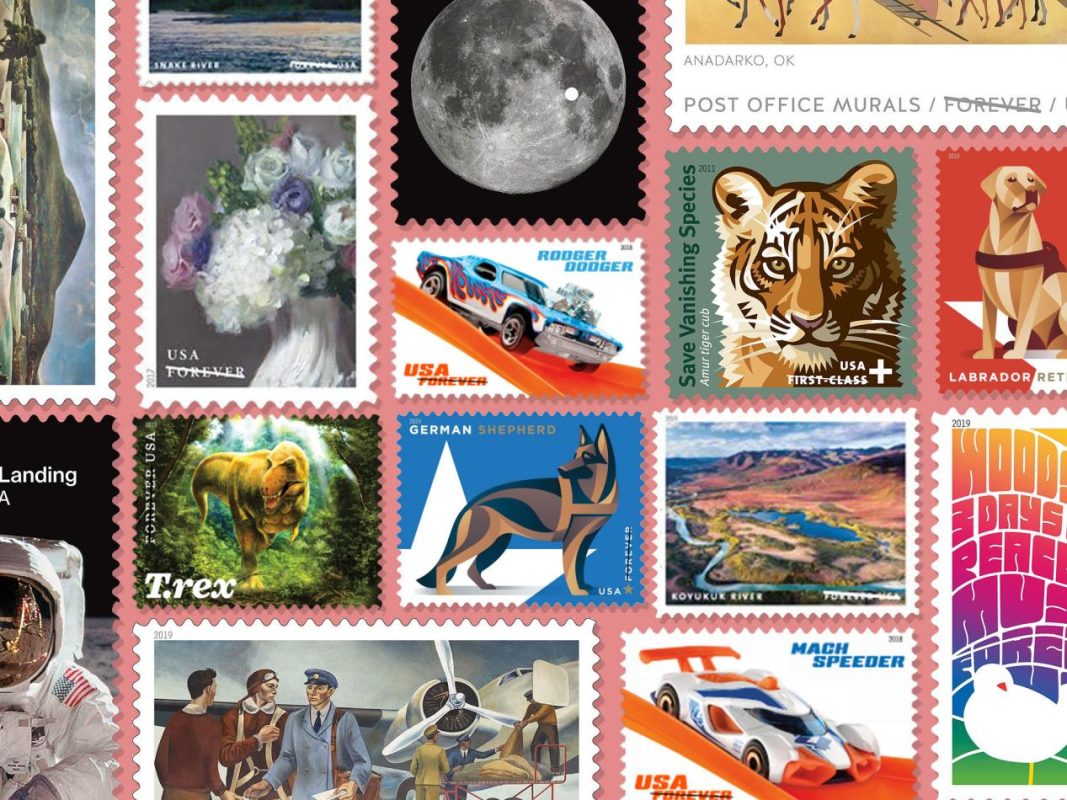

Do discount stamps expire? Complete rules for using old stamps, even those from 10 years ago!

Hello there! Have you recently been tidying up your drawers and found some old stamps from over a decade ago, wondering, “Are these still usable? Have they expired?#8221; You might even have heard of “discount stamps” and wondered if they’re really reliable? Don’t worry, today we’ll discuss this topic thoroughly.
In an era where everything is getting more expensive, these old pieces of paper in your hands might actually hold more value than cash in the bank! That’s right, they could be an unexpected “treasure trove.”
This article will help you thoroughly understand the lifecycle of old stamps, and how to cleverly use them (especially discount stamps) to save money. Ready? Let’s get started!
Are your old stamps a “treasure” or “waste paper”? — Core answer: In the vast majority of cases, they are a “treasure”!
Let us get straight to the point and tell you some good news: as long as a U.S. stamp is unused and in perfect condition, the United States Postal Service (USPS) must accept it, regardless of when it was issued! In other words, there is virtually no such thing as an “expired” U.S. stamp.
That’s a reassuring rule, isn’t it? It means that those old stamps left by your grandparents, or a roll you bought ten years ago, are still valid as long as they’re new and intact.
So what exactly are “discount stamps” that we often hear about? Simply put, they are legal, unused U.S. stamps sold for less than their face value. They usually come from bulk purchases, collector transfers, or clearance sales, but are essentially no different from the stamps you buy at the post office and are perfectly safe to use.
What type of stamp do you have? — Complete rules for using different types of stamps
Although stamps don’t expire, different types of stamps have vastly different values and uses today. Take a look and see which category your stamps belong to!
1. “Forever” stamps: A financially savvy way to combat inflation.
If your stamps have the word “Forever” on them, congratulations, you’ve struck gold!
The key feature: No matter how much you paid for them back then, they will always be equivalent to the current postage of one ounce of First-Class Mail in the United States.
For example, if you bought one for 45 cents in 2012, and the postage for one ounce of mail has now increased to 73 cents, then your 45-cent stamp is worth 73 cents today!
Why it’s a good deal: It’s practically an “inflation-fighting” product! As postage rates rise, your Forever Stamps appreciate in value, saving you a significant amount of money. That’s why we always recommend stocking up on Forever Stamps when they’re on sale.
2. Stamps with a specific face value (e.g., 37¢, 44¢)
If your stamps have specific numbers printed on them, such as “37”, “44” or “60”, they are not expired, but their value is fixed.
Characteristics: These stamps are only worth the amount shown on the stamp.
How to use: They still work, but if you want to send a letter today with a 37-cent stamp (assuming the current postage is 73 cents), you’ll need to use a few more stamps to make up the difference. It’s like doing simple addition and subtraction: 73¢ – 37¢ = 36¢, you need to use stamps with a total value of at least 36 cents.
Calculation example: Suppose that the current postage for one ounce of mail is 73¢.
- You have a 44¢ stamp, and you need to add another 29¢ stamp (73 – 44 = 29).
- You can make up the difference with a 25¢ stamp and a 4¢ stamp.
3. Other non-face value stamps (such as stamps in categories A, B, C, and D)
Before the advent of Forever Stamps, the USPS had also issued some stamps without specific face values, instead using letters (such as A, B, C, D) to represent specific postage classes.
Features: These stamps typically represent one ounce of first-class letter postage at the time of issue.
How to check their value: If you have these stamps, you can check their face value at the time of issue through the USPS website or stamp catalogs. Once you find the face value, they are used in the same way as stamps with a specific face value.
4. Commemorative stamps and special stamps
Whether commemorating an event, a person, or celebrating a holiday, these beautifully designed commemorative and special stamps, as long as they are issued by the United States Postal Service and are new and unused, follow the same rules of use as regular stamps. They are either Forever Stamps or have a specific face value.
Several situations where stamps become “invalid”: Be careful not to make mistakes!
Although US stamps almost never expire, the following situations can cause them to become “invalid”:
- Used stamps: This is the most common “expired” situation. Any stamp that has a postmark, obvious signs of use, or has been torn from an envelope cannot be reused.
- Severely Damaged Stamps: If a stamp is so badly damaged that its face value, country code, or security features are illegible, the USPS has the right to refuse to accept it.
- Counterfeit stamps: Counterfeit stamps occasionally appear on the market. Using counterfeit stamps is illegal, and if discovered, the mail will be returned or destroyed. Therefore, always choose reputable sellers when purchasing stamps.
- Foreign stamps: This should go without saying, foreign stamps cannot be used for mail sent within or from the United States.
Smart Postage Use: In-depth Analysis of “Discount Stamps”
Now, let’s focus on “discount stamps.” Hearing “discount” might make you a little wary: “Could this be a scam?#8221; The answer is: Absolutely not!
What exactly are “discount stamps”?
Discount stamps are legitimate, authentic, unused U.S. stamps sold for less than their face value. They are typically:
- Bulk purchase of old denomination stamps: Some merchants or individuals buy stamps in bulk when postage is low, and then sell them at a price slightly lower than the current postage but higher than their purchase price when postage rises, making a profit from the price difference.
- Stamps sold by collectors: Stamp collectors sometimes sell duplicate or no longer needed stamps from their collections.
- Post office clearance sales or discontinued stamps: Although this is rare, it does happen occasionally.
The key point is that these are all genuine US stamps with full postage validity. USPS will not reject your mail just because you purchased “discount stamps.”
Why can you use “discount stamps” with confidence?
Because they are just like the stamps you buy at the post office, they are valid postage vouchers issued and recognized by the USPS. Their distribution channels may differ, but their status is exactly the same. Using discount stamps is not only legal, but it can also help you save real money, especially when you need to send a large volume of mail, saving you a considerable amount of money.
Where can I buy reliable discount stamps?
The key to safely buying discount stamps is choosing a reputable seller with legitimate sources. The market is flooded with counterfeit and substandard products, so be sure to choose carefully.
Here, I’d like to highly recommend a very reliable platform: selldiscountstamps.com. This website focuses on providing legitimate, high-quality discount stamps. You can confidently choose the various discounted stamps you need here, whether it’s Forever Stamps or stamps of various denominations—they have it all.
Points to note when purchasing:
- Reputation: Choose sellers with good reviews and a long operating history.
- Condition: Ensure the stamps are brand new and free from damage or stains.
- Return and exchange policy: Understand the merchant’s return and exchange policy, just in case.
Practical Guide: How to Use Your Old Stamps Effectively
Now that you know old stamps don’t expire and understand the benefits of discount stamps, are there any tips or tricks for using them? Of course!
- Check the latest postage: Before mailing a letter, be sure to visit the USPS website (www.usps.com) or use their mobile app to check the latest postage for a one-ounce Class 1 letter. This is the basis for calculating how much stamp you need to affix.
- Combining multiple stamps: If you have multiple old stamps of different denominations, you can combine them. For example, if the current postage is 73¢, and you have a 37¢ stamp, a 25¢ stamp, and a 10¢ stamp, the total is 72¢. At this point, you may need to add another 1¢ stamp (or simply add a 73¢ Forever Stamp).
- Stamp affixing tips: Neatly affix all stamps to the upper right corner of the envelope. If there are many stamps, you can overlap them slightly, but make sure the face value and country code of each stamp are clearly visible.
- What to do with large envelopes/parcels: Old stamps are also suitable for sending large envelopes (such as flats) or small parcels. Just calculate the total postage needed and then affix old stamps of sufficient value. If there are many, you can affix them in several rows.
In conclusion: Old stamps are a treasure; make good use of discount stamps to save money!
After reading this, do you have a completely new understanding of the old stamps at home? They are not just memories, but also real postage wealth!
- Forever Stamps are a powerful tool against inflation, their value increasing with postage rates.
- Stamps with face value are valid indefinitely; you only need to pay the difference.
- Discount stamps are a legitimate and cost-effective mail-order solution, making them the top choice for savvy consumers.
So stop letting your old stamps gather dust in your drawer! Dig them out now, or visit selldiscountstamps.com to choose your favorite discount stamps and let them help deliver your mail smoothly while saving you a lot of money.
Next time you send a letter, you’ll be the most knowledgeable one!
Frequently Asked Questions (FAQs)
- Q: Can I use my Forever stamps for international mail? A: Forever stamps are primarily for domestic (one-ounce) first-class mail within the United States. For international mail, you will need a special international stamp (Global Forever Stamp) or to pay the international postage difference.
- Q: Will I get a refund if I use stamps with a value exceeding the required postage? A: No. USPS does not refund excess postage. Therefore, use stamps with a value exactly equal to or slightly exceeding the required postage.
- Q: Can I use very old, discontinued stamps? Like those from the 1950s? A: Yes! As long as it’s a genuine, brand-new, and in excellent condition U.S. stamp, no matter how old it is, even if it’s from the 1950s or earlier, USPS must accept it. They are only worth their face value; you’ll need to pay the difference based on the current postage.